
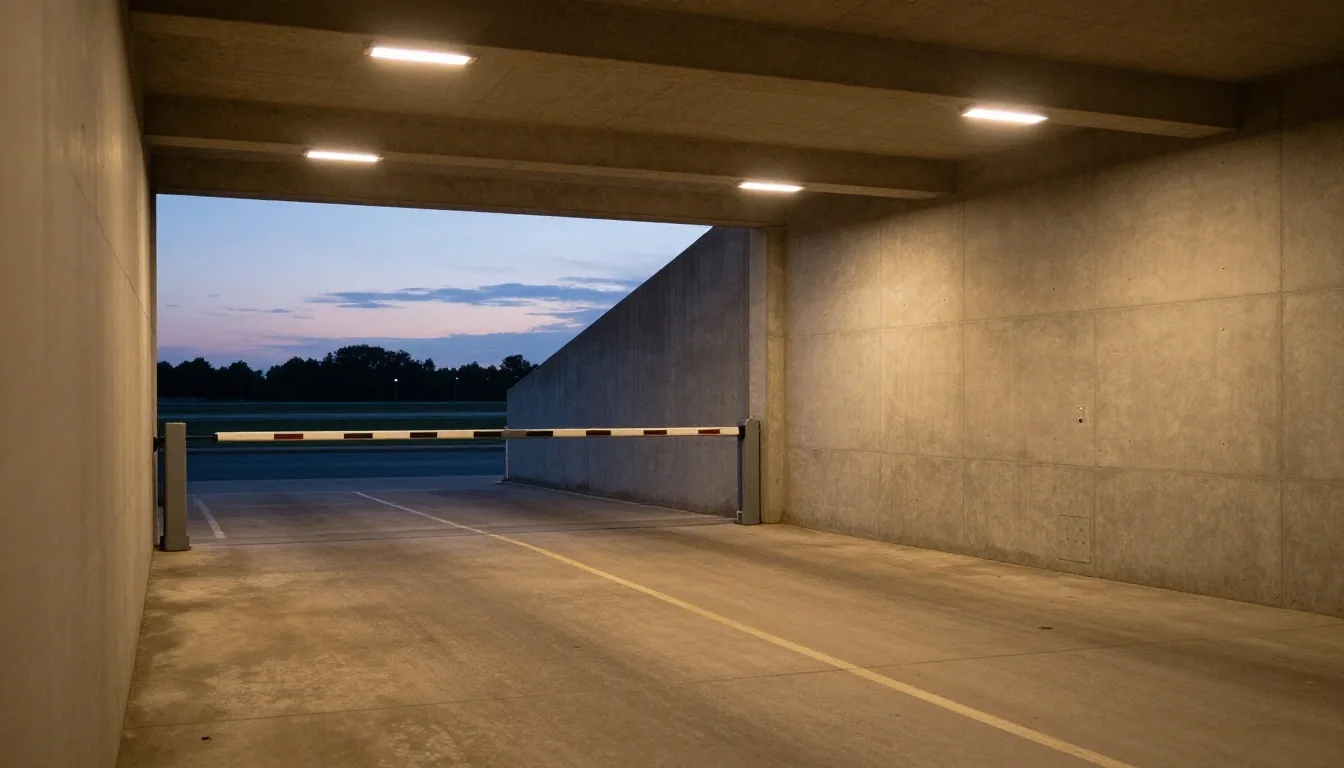
How Sydney Airport Parking Periods Work
Charges are counted in blocks. Once you read the block logic, the posted terms stop feeling like guesswork.
The one rule
Block, not clock
Part-blocks round up. 25 hours can land in the next bracket.
241 O'Riordan Street, Mascot NSW 2020
Reading the charges
Parking charges can feel confusing until you see how periods are counted. This guide explains common structures used around Sydney Airport in general terms. It does not list live prices, because posted terms change. Use it to read signs correctly and avoid extra periods.
Block counting
How parking periods are usually counted
Many Sydney sites count in blocks, such as per hour, per day or per week, with part-blocks rounding up. That means 25 hours can count differently than 24 hours depending on posted rules.
Grace periods for entry and exit vary, so read the sign at the gate. Take a timestamp photo when you enter and when you return. Understanding the block logic helps you compare airport parking options without surprises.
Entry
The barrier timestamp is the clock the site charges from — not the time you left home.
Exit
The exit timestamp closes the period. Minutes spent queuing at the barrier still count.
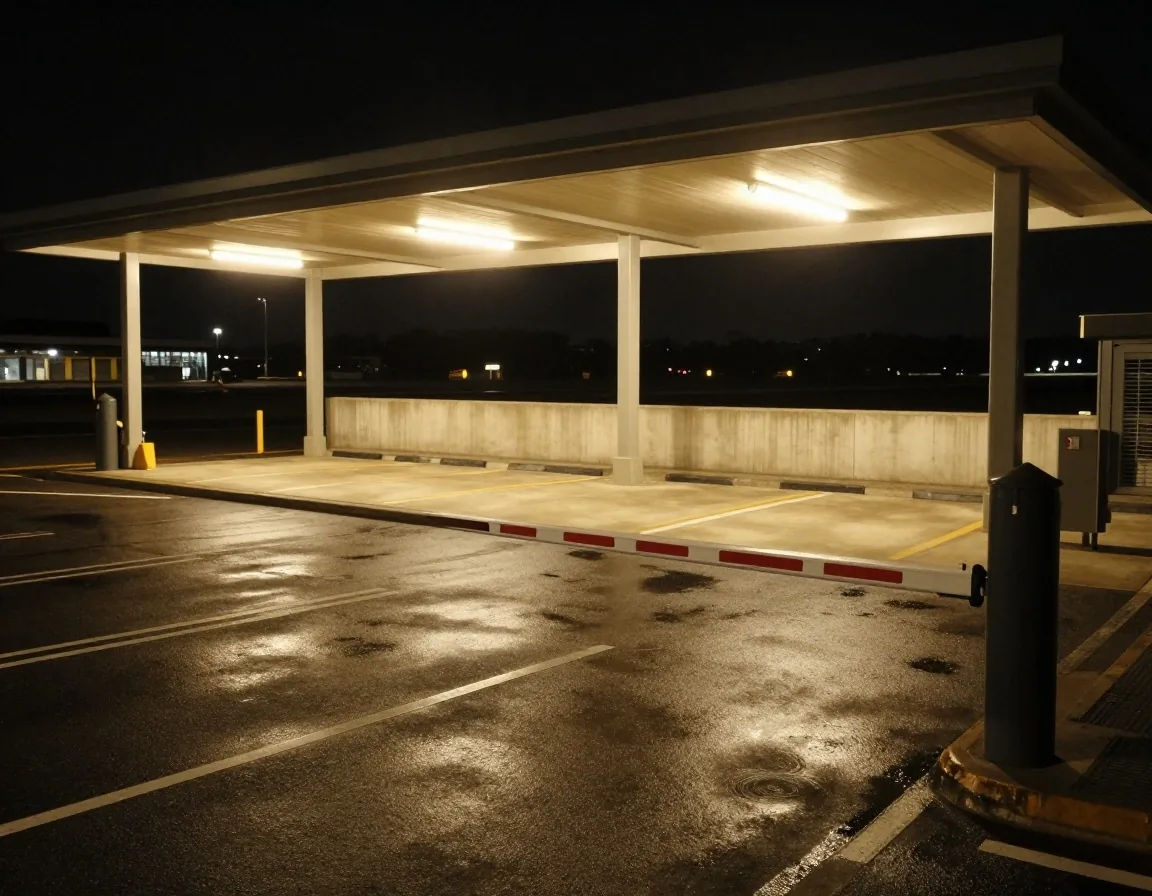 Entry barrier
The posted board at the lane is the document that governs the stay. Read it before you take a ticket.
Short stays
Short-stay structures
Short-stay areas often use smaller time blocks suited to pickups and quick meetings. The first minutes may have a different rule than the following hours, and overstaying can push you into a higher block.
Clock pressure
Mascot traffic can make a planned 20-minute stop run to 50 minutes, so build slack into the plan.
Payment method
Keep coins, cards or apps as accepted at that site, since methods differ from car park to car park.
Keep the record
Always keep the entry record until you have exited and the barrier has closed behind you.
Block sizes
Day, weekend and weekly counting
Three structures cover most stays around terminal parking at Sydney Airport. Read each one that applies to your dates — the differences are small on paper and expensive at the barrier.
Day parking
Day parking may run as a calendar day or as a 24-hour block from entry, and the difference matters. A 9 am to 9 pm stay fits one model neatly and straddles another.
Weekend parking
Weekends can combine daily blocks with special posted caps, so read weekend notes separately. If you enter Friday night and leave Sunday night, count blocks on paper first.
Weekly blocks
Weekly structures often combine daily rates up to a point, then switch to a weekly block. Some sites cap the number of weeks or require you to check terms for stays beyond 14 or 21 days.
Longer stays
Arriving a day early or leaving a day late can add a full block. Check public holiday hours, because exit staffing can differ, and write your entry date and expected exit date in your phone before you fly.
For any sydney airport parking rates question, the counting method matters more than the headline figure. A cheaper block that starts at the wrong hour can cost more than a dearer one that fits your stay exactly.

The total
What affects the total you pay
Duration is the main driver, but height, oversize bays and special areas can change the total. Entering during peak does not always change price, yet it changes time pressure and error risk.
Vehicle
- Height clearance and roof loads
- Oversize bays and special areas
At the barrier
- Lost ticket or unreadable plate delays
- Re-entering a terminal loop starts a new session
Read the full posted terms board, not just the large headline numbers. The qualifying lines usually sit in the smaller type, and they are the ones that decide your total.
At the board
Reading signs without mistakes
Sydney parking signs pack a lot into small boards at entry lanes. Here is what to look for before you take a ticket.
Which words decide the charge
Look for the words per hour, per day, maximum stay and grace period before you take a ticket. Those four phrases settle the count; the large numerals underneath only matter once you know which of them applies.
Tax, lanes and payment wording
Note whether prices include GST and whether card-only lanes apply. A board may show the same hourly figure twice because one applies to ticket holders and one to plate recognition entries.
When signs disagree
If two signs disagree, follow staff direction and take a photo to query later. Do not block the lane while reading; pull into a marked bay if you need a minute. The photo is your record of what you actually saw at entry.
Back at the car
Avoiding extra periods
Extra periods usually come from tight planning, not bad luck. Aim to be back at the car well before your block ends, because terminal walks and lift queues eat minutes.
Keep your return path simple: same terminal exit, same pedestrian route, no extra stops. If your flight diverts or delays, keep boarding passes and delay notices. Contact the site operator on return and explain calmly with timestamps ready.
 Note your entry
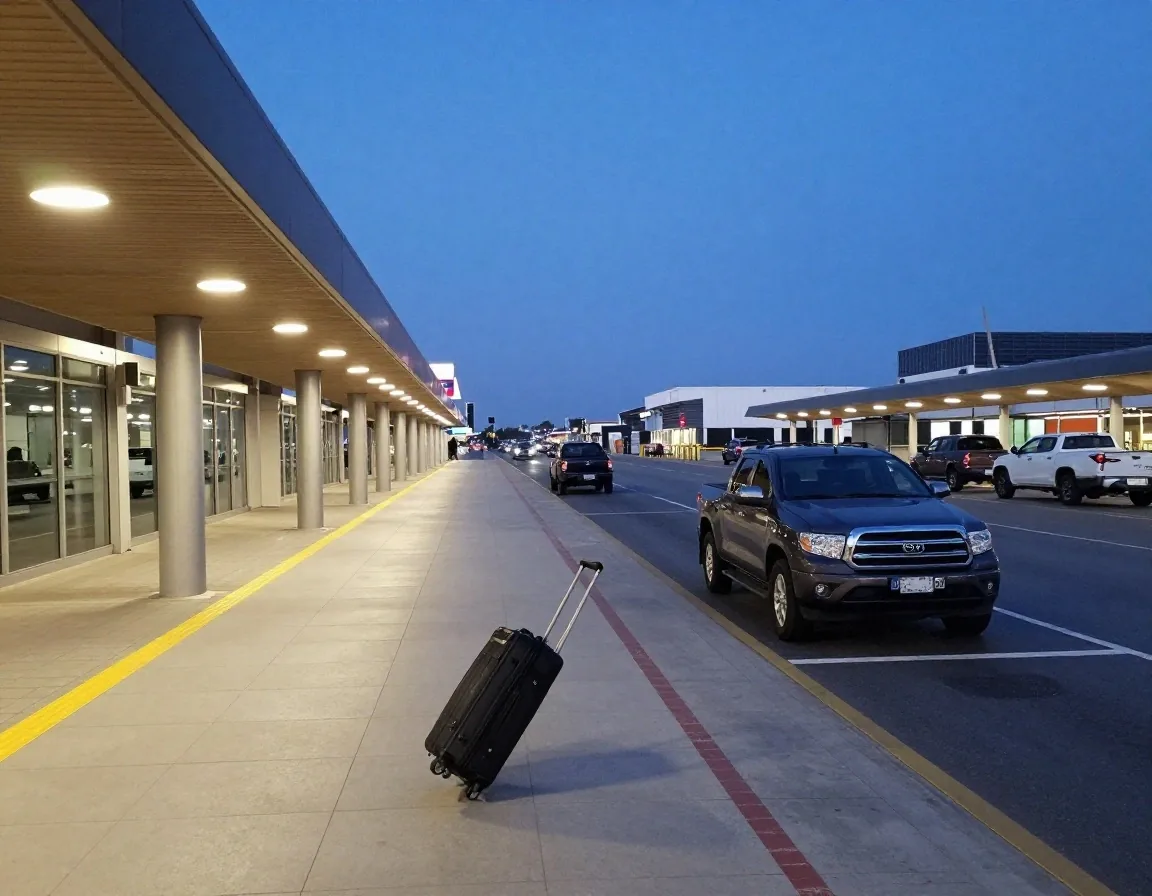 Same route out
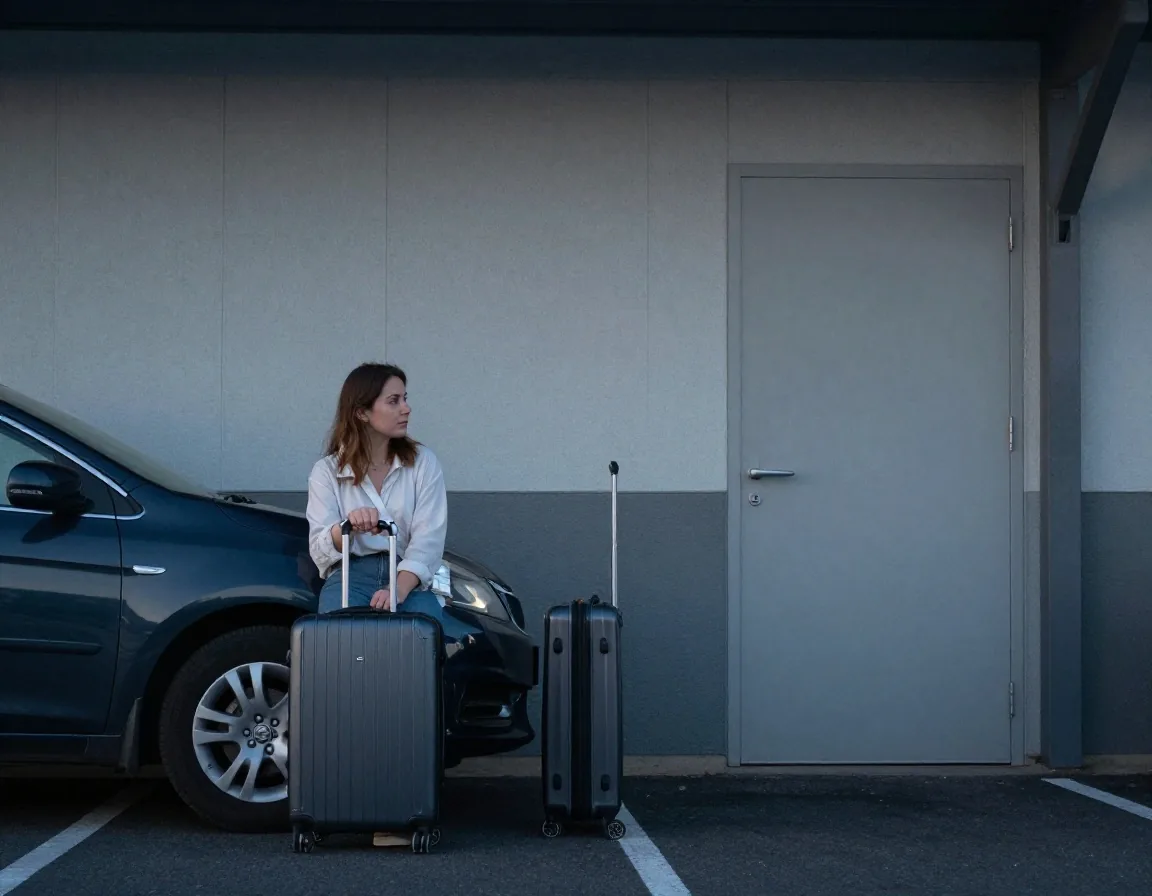 Keep the notices
Swipe the rail for three habits that keep the exit clean: a timestamp on entry, the same route back out, and the flight paperwork kept together.
Before you drive in
Planning checklist before you drive in
A five-minute check at home saves a rushed decision at the barrier. Work through the list before you leave, and the entry becomes a formality.
- Confirm your terminal (T1, T2 or T3), your entry date and your realistic return time
- Check Live Traffic NSW and Sydney Trains alerts if works could slow the Mascot approach
- Keep your licence, payment method and flight confirmation together in one place
- Save 241 O'Riordan Street, Mascot NSW 2020 for general navigation, then switch to your chosen site entry
Next step
Now that the block logic is clear, the rest is easy
Compare the options near Mascot, check the approach to each terminal, or read the traveller tips before you lock in your dates.
Talk to us
241 O'Riordan Street, Mascot NSW 2020, Australia
Open 24 hours, 7 days a week